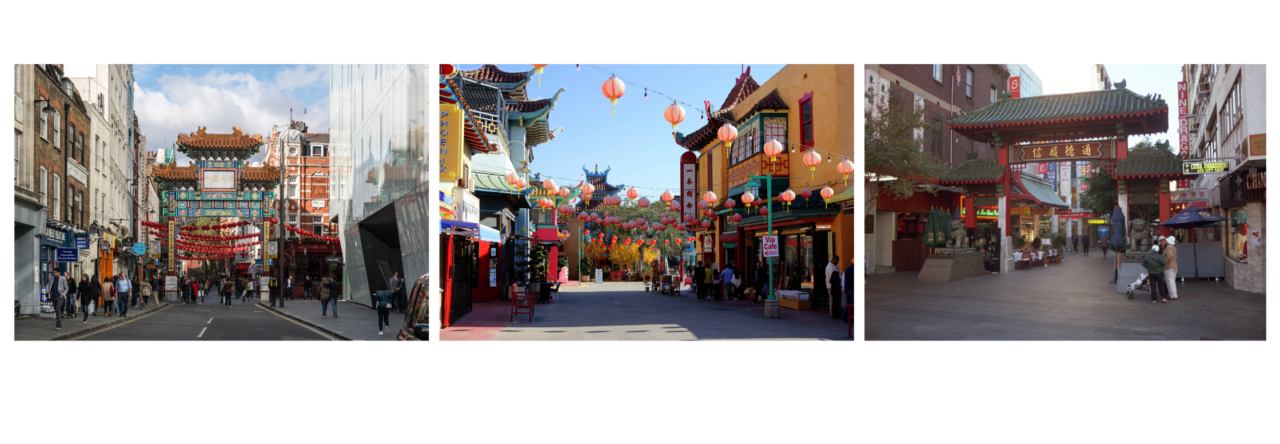
Contemporary Issue in Sydney Chinatown
Sydney’s Chinatown is facing complex challenges between cultural identity and urban development. With urban renewal and tourism, traditional communities are undergoing profound transformation, with indigenous peoples facing the dual challenges of cultural loss and economic pressures. Protecting cultural heritage, supporting local communities and finding a balance between economic development and cultural preservation are the most urgent tasks.
Urban Planning and Gentrification Challenges:
- Cultural Displacement Sydney’s Chinatown, located in the Haymarket area, has been experiencing significant pressures from urban development and gentrification. The neighborhood is facing a complex challenge of maintaining its cultural identity while adapting to urban renewal projects.
Key Issues:
- Increasing property values pushing out long-term Chinese and Asian Australian residents
- Transformation of traditional community spaces into commercial and tourist-oriented zones
- Loss of affordable housing and community-centered businesses
- Cultural Preservation Struggles -Loss of Traditional Culture and Values:
- Younger generations becoming increasingly disconnected from their cultural roots
- Traditional Chinese businesses and family-run establishments being replaced by trendy restaurants and boutique shops
- Erosion of authentic cultural spaces in favor of commodified, tourist-friendly representations
- Government and Economic Pressures-Government Transforming the Area into a Profitable Tourist Destination:
- Development strategies prioritizing economic gains over community preservation
- Marketing of Chinatown as a tourist attraction rather than a living, breathing community space
- Infrastructure changes that cater more to visitors than to residents
Specific Contemporary Challenges:
- Declining Chinese-speaking population in the area
- Reduced affordability for small business owners
- Architectural changes that diminish the neighborhood’s historical character
- Tension between preservation and modernization
Potential Mitigation Strategies:
- Community-led urban planning initiatives
- Cultural heritage preservation programs
- Affordable housing policies
- Supporting local, traditional businesses
- Creating spaces that balance tourism with community needs
Comic Script: Chinatown Transformation
Characters
Uncle Chan (Father): 50 years old, restaurateur, runs a traditional Cantonese restaurant.
Aunt Chan (Mother): 45 years old, restaurant waiter, responsible for accounting and daily management.
Celine Chan (Daughter): 20 years old, studying business at university while helping to run the family business.
Grandma Wong (Neighbor): 70 years old, runs a traditional Chinese medicine store and has witnessed the changes of Chinatown.
Scenario 1: Restaurant Entrance
It shows a traditional Cantonese restaurant with a sign that says “Chan Garden” and faded red lanterns hanging from the doorway. The streets are deserted, with only a few pedestrians.
Dialog Bubble:
Uncle Chan (sighs): “Before, this place was bustling, full of people. Business gets worse every day.”
Celine Chan (comforting): “Dad, things might improve soon. The pandemic won’t last forever.”
Aunt Chan (worried): “But I heard the city government wants to renovate Chinatown. How much longer can we survive?”
Scenario 2: Family Dinner
The family sits around the table with simple dishes, and the atmosphere is heavy.
Dialog Bubble:
Uncle Chan (indignant): “Those developers don’t care about our lives. They only want to build skyscrapers.”
Celine Chan: “My classmates say Chinatown is turning into a tourist spot. There are fewer and fewer authentic Chinese restaurants.”
Aunt Chan (sighs): “If they tear down this neighborhood, where can we go? This is our home.”
Scene 3: Uncle Chan Chats with Grandma Wong
Grandma Wong sits behind the counter of her traditional Chinese medicine store. Old pictures of Chinese medicine hang on the wall. Uncle Chan stands solemnly in front of the counter.
Dialog Bubble:
Uncle Chan: “Grandma Wong, what do you think about this renovation plan?”
Grandma Wong (shaking her head): “I’ve lived here for over 40 years. I’ve seen the good times and the bad. But this time… I’m afraid it won’t be the same again.”
Uncle Chan: “The government says it’s for revitalization, but for small businesses like ours, it’s a disaster.”
Scenario 4: Family Discussing the Future
The family sits in the living room, holding brochures of the city’s renovation plans. The brochures depict tall buildings, wide streets, and Western-style restaurants.
Dialog Bubble:
Celine Chan: “Maybe we can adjust and sell dishes that appeal to younger people?”
Aunt Chan: “But those won’t taste like our Chan Ji Restaurant dishes…”
Uncle Chan (firmly): “No matter how things change, we can’t lose our home and culture. We have to find a way to hold on.”
Scenario 5: Community Event
The image shows Chinatown residents gathered together, discussing how to preserve the traditional culture of Chinatown. In the background, the red sign of Chan Garden glows faintly.
Dialog Bubble:
Uncle Chan: “We can unite as a community and propose ideas to the government to preserve Chinatown’s traditional character.”
Grandma Wong: “Yes! We need them to understand that this is not just a tourist attraction—it’s our home.”
Final Scene: A Family Standing in Front of the Restaurant
The family stands together in front of Chan Garden. The street behind them gradually becomes livelier, and newly hung red lanterns emit a warm light.
Dialog Bubble:
Celine Chan (smiling): “Dad, Mom, no matter what the future brings, as long as we work together, we’ll find a way.”
Uncle Chan (nodding): “Yes, Chinatown is our roots and our hope.”