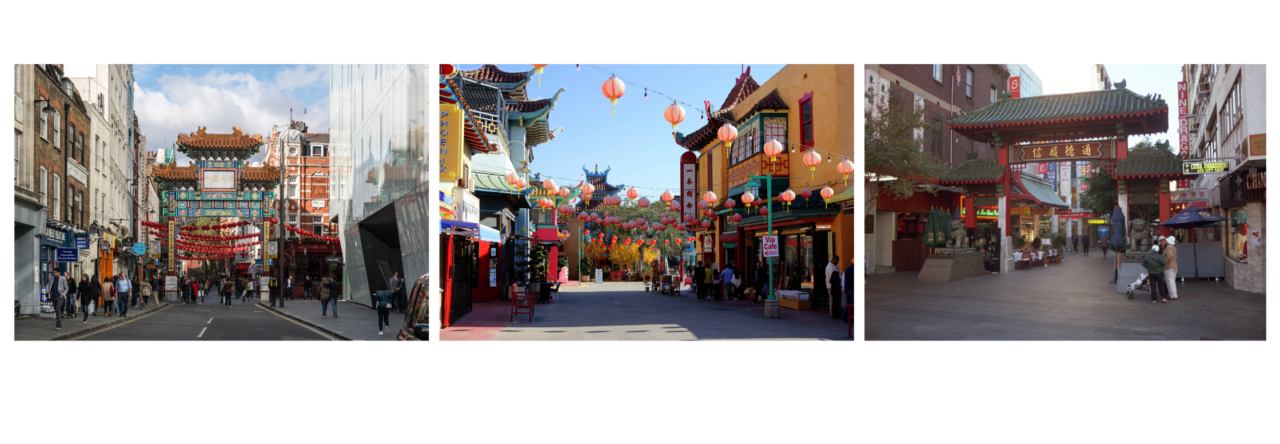
The podcast topic that I chose to explore was the history of San Francisco Chinatown as seen through the lenses of food and immigration. I found that the history of the San Francisco Chinatown’s food can be thought of as having four main sections. First, the 1849 California gold rush played a role in establishing both the San Francisco Chinatown and the Chinese restaurants in it. Later, in the late 1800s and the early 1900s, racist regulations and social movements led to a massive decline in the Chinese American population. Chinese restaurants struggled to survive. In response, starting in the 1920s, restaurant owners adapted their offerings to appeal to an increasingly white clientele. This led to the popularization of the infamous “chop suey”, a traditional Chinese dish which, adapted to Western tastes, dominated the market for Chinese food in the mid-20th century. Finally, people arriving in the most recent era of immigration from China have helped to revitalize and shift the restaurant industry, changing its audience and what it means to be a Chinese restaurant in America.